Brač is the third-largest Adriatic island, with 394 km² of coastline, pine forests, olive groves, and villages that look as if someone carefully arranged them along the sea. What sets Brač apart from other popular Adriatic islands is its accessibility. Just 14 kilometres from Split, it's close enough and well-connected that you can get here in no time, yet far enough that you immediately feel you've arrived somewhere special where life looks different from on the mainland.
The island of Brač, despite all its tourist infrastructure and development, still preserves places in the interior that don't appear on tourist maps, konobas where the owner picks the vegetables in the morning, then prepares and serves them to guests with their own hands, and hidden coves that no marked road leads to. This guide will help you find exactly that.
Where is Brač, and How Big Is It?
Brač lies in the central Adriatic, across from Split and the Makarska Riviera. It is about 40 kilometres long and up to 14 kilometres wide. With an area of 394 km² and around 14,000 permanent residents, it is large enough to offer real variety in landscapes, towns and experiences, yet small enough to get to know in a week's holiday.
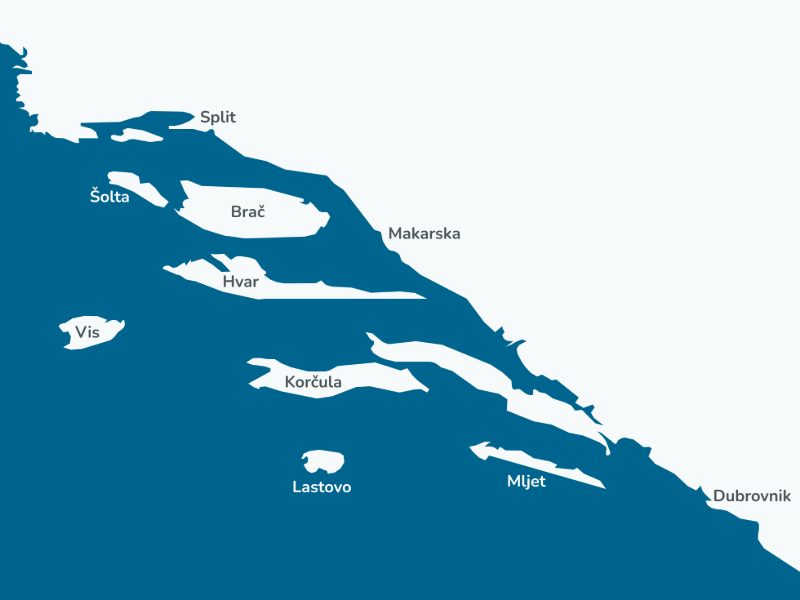
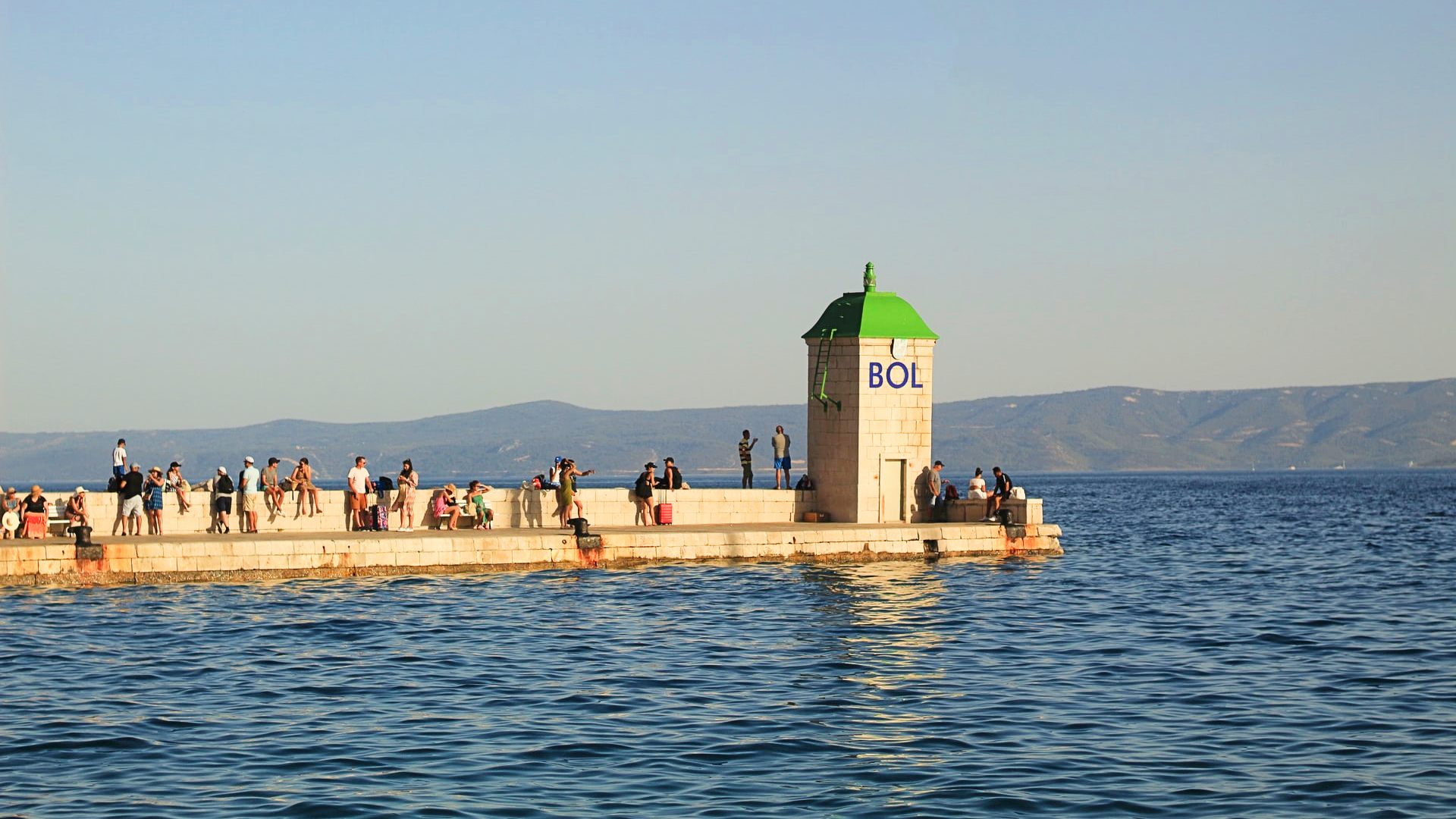
The administrative centre is Supetar on the north coast, from where the most frequent ferry line to Split departs. Other larger towns are Bol in the south, Milna in the west, Pučišća and Sumartin in the east, and several smaller settlements along the coast and inland.
Brač is an ideal island destination precisely because of this balance: it offers everything a proper Adriatic island should — sea, peace, authentic gastronomy and a Mediterranean atmosphere — but without the transport isolation of more distant islands. From Split to Supetar by ferry is just one hour.
How to Get to Brač?
The vast majority of visitors arrive by ferry from Split — and honestly, it's also the most beautiful way to arrive on the island.
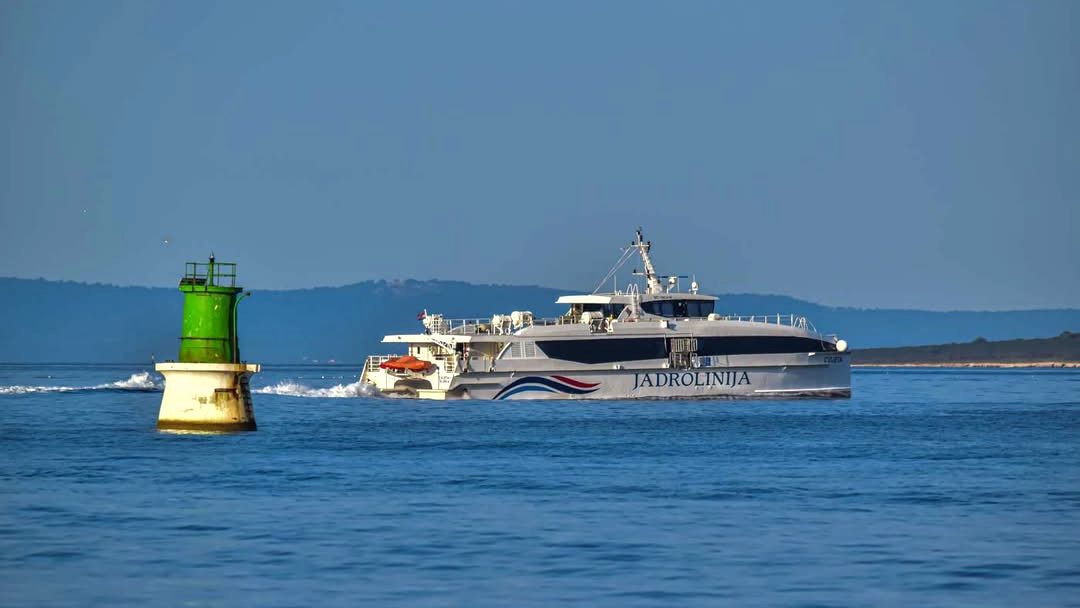
The Split–Supetar ferry (Jadrolinija) is the most frequent line, with up to 14 sailings a day in summer. The crossing takes about an hour and carries both passengers and vehicles. Vehicles board in order of arrival — in high season, it is advisable to arrive one to one and a half hours early.
The Makarska–Sumartin ferry (Jadrolinija) is a practical alternative for those coming from the Makarska Riviera or wanting to arrive on the eastern side of the island. It runs year-round, and the ticket is valid only for the chosen sailing.
Catamarans offer faster but more expensive options without vehicle transport. From Split, there are lines to Supetar (20 minutes), Bol (about 65 minutes), Milna, Sutivan, Pučišća and Postira. Seasonal lines also connect Brač with Dubrovnik, Hvar, Vis and Korčula.
Brač has its own airport — one of the few islands in the Adriatic with that privilege — but most passengers who fly use the international airport in Split, which is excellently connected to Brač. From the arrivals terminal to Split's ferry terminal, a shuttle bus runs directly without transfers. Detailed instructions for getting from Split Airport to the ferry →
For all arrival options: How to Get to Brač → | Ferry Lines to Brač →
How to Get Around the Island?
The bus is the only public transport on the island and is perfectly functional for getting to the larger towns. But if you plan to truly explore Brač — hidden coves, hidden monasteries, konobas in the interior — the bus won't take you there.
Renting a car is by far the most practical option. It gives you the freedom to stop wherever you want, turn off the main road and discover places that don't appear in any tourist leaflet. Driving the winding but safe roads of Brač is one of those experiences you remember.
Scooters and bicycles are popular for shorter explorations, especially around the settlements, and more experienced cyclists can reach Vidova Gora or other more distant locations by bike.
Taxis are available in all larger towns and are practical for one-off transfers, but for flexible exploration, they are not an economical option.
Complete guide to getting around Brač → | Bus routes on Brač →
Towns on Brač: Where to Stay and What to See
Brač is not an island with one centre — each town has a different character and attracts a different type of guest.
Supetar is the largest town and the island's transport hub. The ferry port, a seafront promenade, nearby beaches and good tourist infrastructure make it the natural choice for families and those looking for a practical and comfortable base for exploring the island.
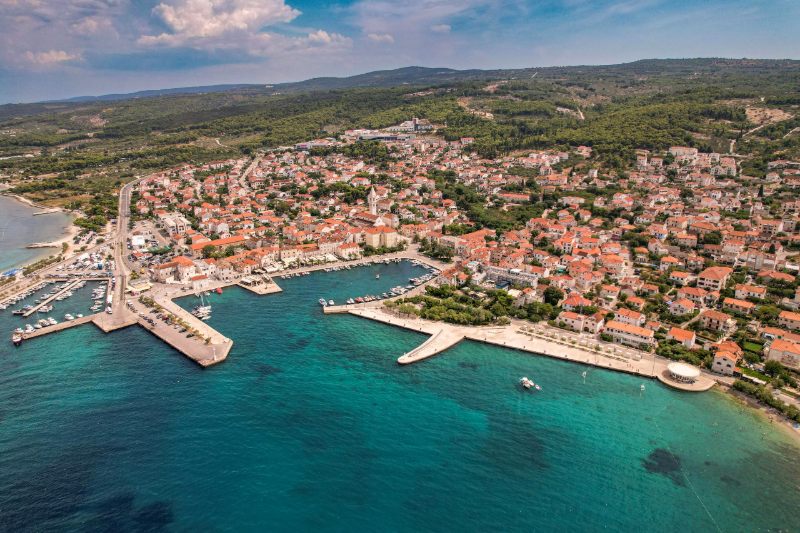
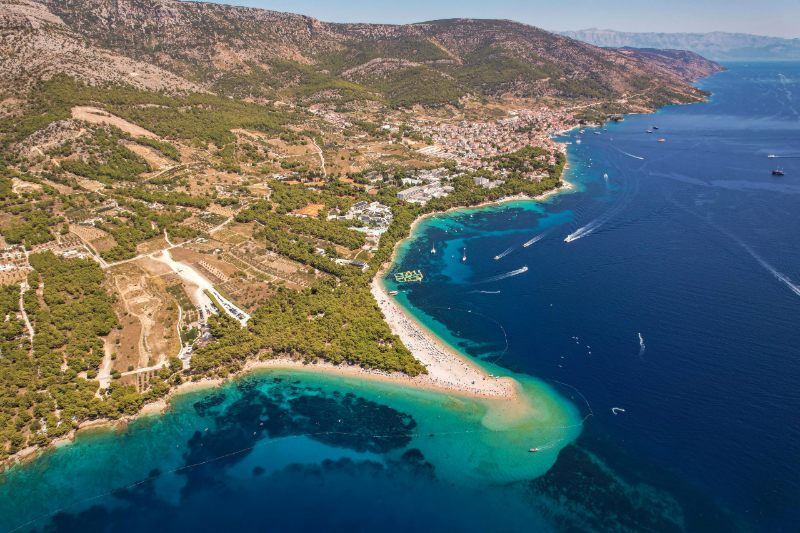
Bol is the island's most recognisable tourist destination — home to Zlatni Rat, windsurfing and a livelier nightlife. In summer, it is the most visited part of Brač, but Bol has plenty to show beyond the beach: numerous events, the Dominican monastery and Vidova Gora are just part of what's on offer.
Milna is a quiet bay on the west coast, known to sailors since ancient times as the "Harbour of a Thousand Ships." Today, it is a peaceful settlement with excellent konobas, fewer tourists than Bol and Supetar, and a special Mediterranean atmosphere that attracts guests escaping the crowds.
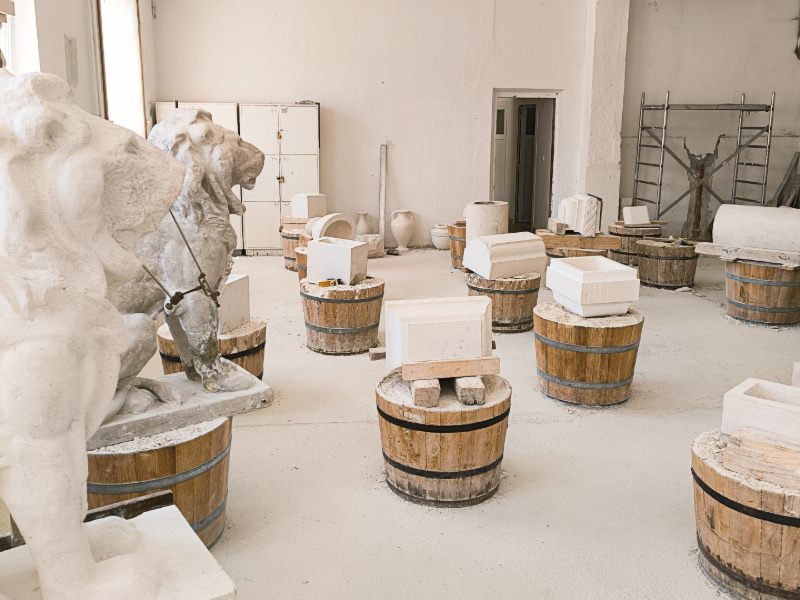
Pučišća is perhaps the most photogenic bay in the entire Adriatic — white stone houses arranged around a deep inlet that is also a beautiful long promenade. The town is home to the well-known stone-masonry school, where the tradition of stone-working is passed on to younger generations.
Postira is a quiet town on the north coast, ideal for a family holiday without the crowds. Near the town is Lovrečina — the largest sandy beach on Brač.
Sutivan is a small town just west of Supetar, known for its long seafront promenade, cycling routes and relaxed atmosphere. A practical choice for those who want to be close to the ferry but away from the bustle of Supetar.
Sumartin, on the eastern edge of the island, offers beautiful beaches and far fewer tourists than the western part. Arriving by ferry from Makarska makes it the natural choice for guests travelling from the Makarska Riviera.
Recommendation: Don't skip the island's interior. Villages like Dol, Nerežišća, Ložišća and Škrip are more authentic than any coastal town — stone houses, quiet squares, konobas serving food the way local cuisine always has been. This is the Brač that most tourists never see.
Beaches on Brač
Brač has hundreds of beaches — pebble, rock, sand and some that literally change shape with the wind. Some of the most well-known are:
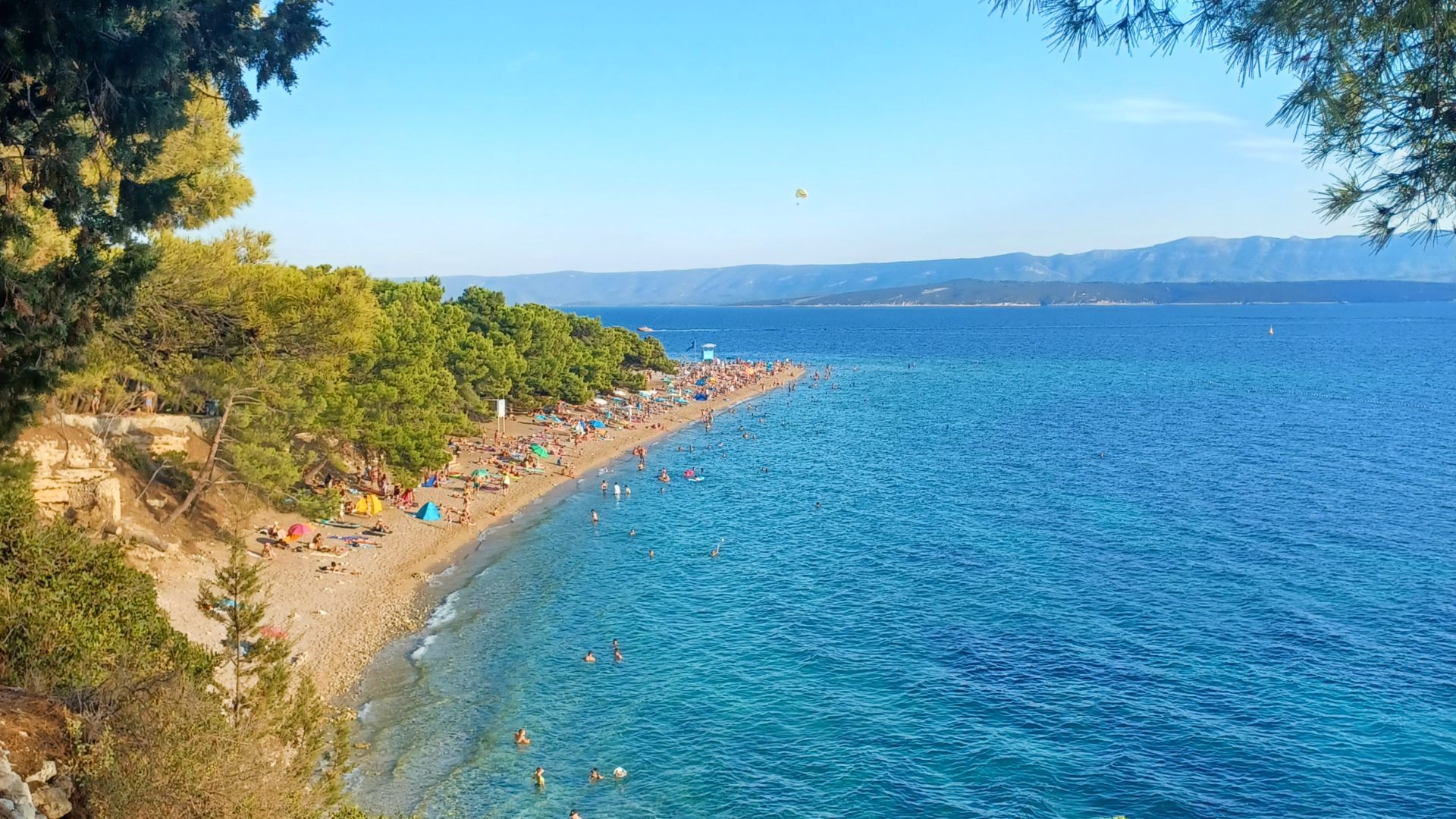
Zlatni Rat near Bol is Croatia's most recognisable beach. A shingle spit that extends into the sea and changes shape depending on current and wind — something you rarely see in nature. Windsurfers love it for the maestral that blows almost every afternoon. In summer, the crowds are unavoidable, but it's worth the experience.
Lovrečina near Postira is the largest sandy beach on the island — a true rarity in Dalmatia, where pebble and rock dominate. The shallow sea and fine sand make it ideal for children and non-swimmers. Next to the beach are the ruins of an early Christian basilica from the 5th century — a combination of sea and history in one place.
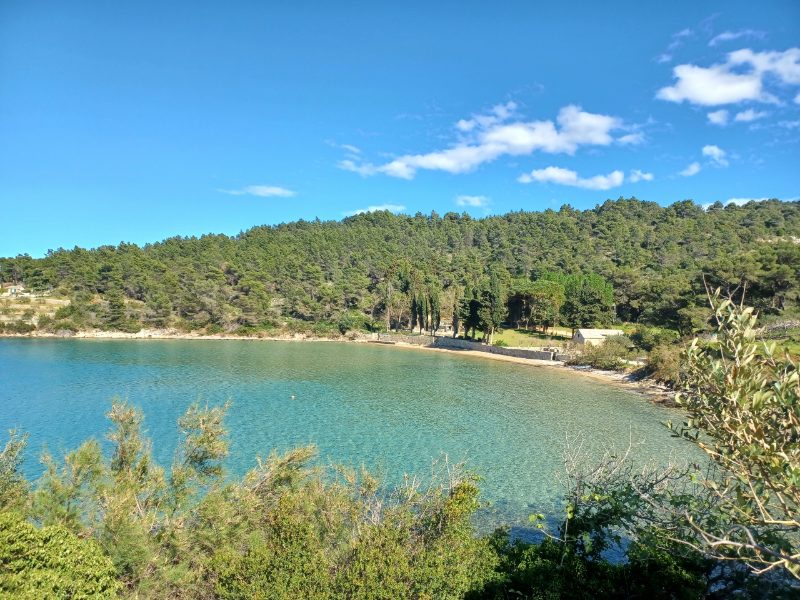
Murvica is a beautiful shingle beach that draws you in with every photograph. For those looking for the opposite of Zlatni Rat. You reach it on foot or by boat, and near the beach is the path leading up to Dragon's Cave above the village.
Banj and Tri mosta in Supetar are urban beaches with full amenities — sun loungers, bars, SUP hire — suitable for those who want to combine a beach holiday with social life.
For the complete list of all beaches: Beaches on Brač →
What to Visit on Brač?
Vidova Gora, at 778 metres above sea level, is the highest peak of all the Adriatic islands. The view from the top stretches to Italy in good weather — Hvar, Vis, Korčula, and the open sea. You can get to the top by car or on foot.
Pustinja Blaca is an abandoned monastery in a deep canyon, unreachable by road — you can only get there on foot. Founded in the 16th century and abandoned in the mid-20th century, it is today an open-air museum with its original contents. One of the most unusual locations in the Adriatic.
Zmajeva špilja (Dragon's Cave) above the village of Murvica hides reliefs carved into the rock that puzzled researchers for years. The climb takes about an hour, and the cave rewards those who venture up with its beauty.
The stone-masonry school in Pučišća is the only one of its kind in this part of Europe, as it teaches stone-working using ancient Roman hand tools. Brač stone is used in buildings across the world, and the tradition is alive today.
The Brač Island Museum in Škrip, the oldest settlement on the island, is a good starting point for understanding Brač's history from Illyrian times to the present.
The Brač pine bonsai — a miniature pine tree that has been growing from the roof of the Church of St Peter and Paul in Nerežišća for a hundred years. Nobody knows how it got there or how it survives, but it is a must-see stop and photograph for all visitors.
Summer is rich with various cultural, gastronomic and entertainment events, the most well-known of which are the Brač fjere — local festivals celebrating patron saints, with every town having at least one. All events on Brač →
Our recommendation is to also visit some lesser-known but equally worthwhile locations: the Cat in the bell tower in Sutivan, the Bell Tower in Lozišća, Kuća u kući in Bol, and the Early Christian basilicas near Lovrečina beach and in the village of Povlja.
Food and Drink on Brač
Many visitors expect that an island surrounded by sea lives off fish. Brač can do that, but its real gastronomic story comes from the interior.
Centuries of pirate raids drove the population inland, where they lived off what they grew. Goats, sheep, olives, vines. That is where the star of Brač cuisine comes from: lamb. Roasted on a spit, cooked under a peka or in a soup with vegetables — it is a taste of Brač unlike anywhere else.
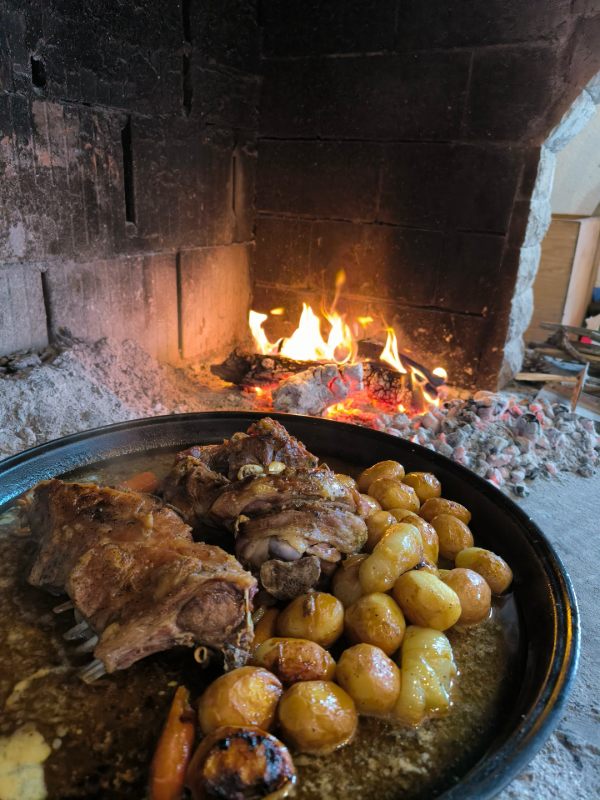
If you are feeling adventurous, try some of the authentic local dishes rarely found outside Brač's konobas:
- Vitalac — lamb offal roasted on a spit, a delicacy for the brave
- Hrapoćuša — a traditional and authentic cake from Dol with a distinctive walnut topping
- Procip — a warm dessert made from young Brač cheese
- Krumpir iz luga — potatoes baked directly in ash, simple and unforgettable
- Smutica — an unusual combination of red wine and goat's milk, for the bravest only
For authentic Brač dishes, visit Konoba Toni in Dol and Konoba Tomić in Gornji Humac — konobas where food is prepared the way it always has been.
For a slightly more modern approach to tradition, we recommend Nono Ban in Gornji Humac, Konoba Kala in Supetar and Senjković Wine Bar in Nerežišća.
Brač olive oil ranks among the very best of Croatian production — if you are a foodie, visiting a local producer is part of experiencing the island. Why you must try Brač olive oil →
Complete guide to Brač gastronomy → | Where to eat on Brač →
When to Visit Brač?
Every season offers a different experience of the island.
July and August are the peak of the summer season — all facilities are open, the island is full of people, and prices are somewhat higher. Zlatni Rat in August is not for those who mind crowds. On the other hand, if you are looking for atmosphere, nightlife and the widest choice of activities, this is the right time.
June and September are the golden middle ground — the sea is warm, there is plenty of sun, and the crowds are manageable. All facilities are open, but without the summer crowds. If you must choose, pick September — warm sea, emptier beaches and konobas full of seasonal produce.
April, May and October are ideal for exploring the island at your own pace. Hiking, cycling and photography — a truly active holiday.
Winter is for lovers of the authentic. Most tourist facilities are closed, but the island runs at its own rhythm. Silence, stone, sea and local people — the Brač that is not in any guide.
Detailed weather guide and climate by month →
Practical Tips
A few things worth knowing before you arrive:
- Cash payments are common in smaller places, at markets, souvenir stalls and in inland konobas — cards are not always accepted
- Book a rental car in advance, especially for July and August, when there may be a shortage of available vehicles
- Ferry with a car — no reservation needed for Split–Supetar, but arrive one to one and a half hours early in season; for Makarska–Sumartin, buy your ticket in advance to reserve your place
- Mobile coverage is good in all towns; in the interior and some remote locations, the signal may be weaker
- Opening hours are seasonal — many konobas and facilities only operate from June to September; in the shoulder season, check in advance
- Tap water is safe to drink